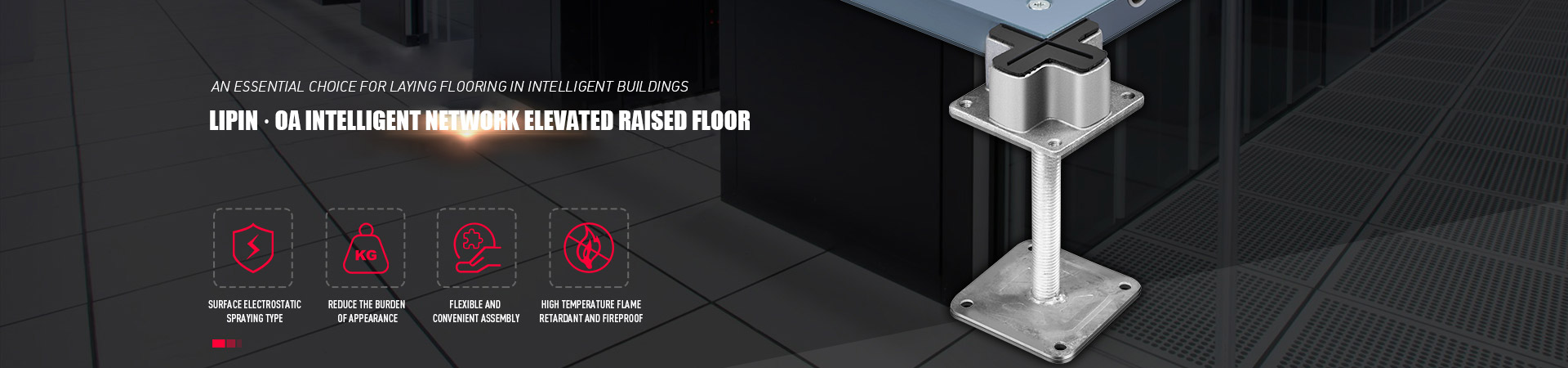
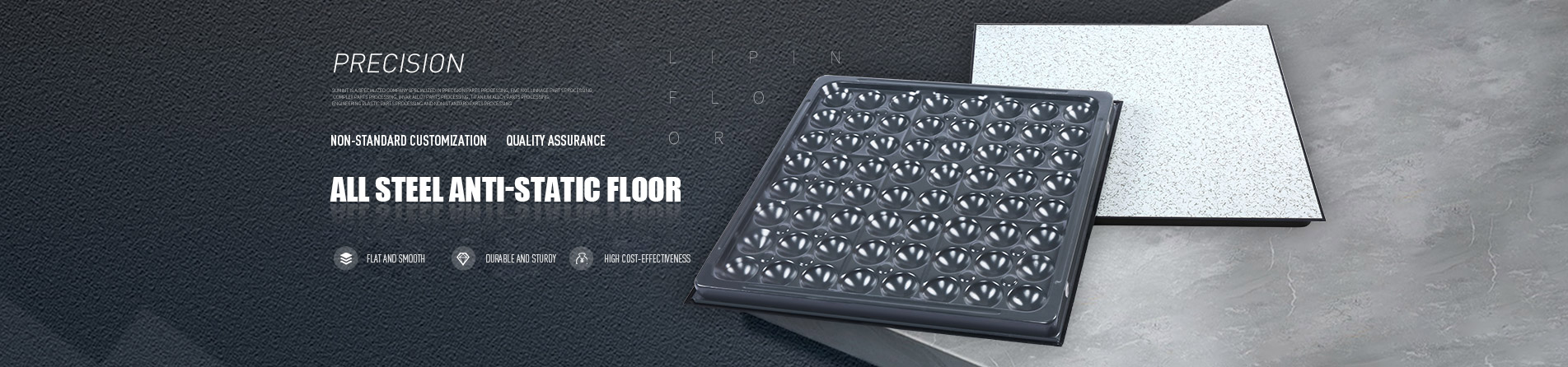
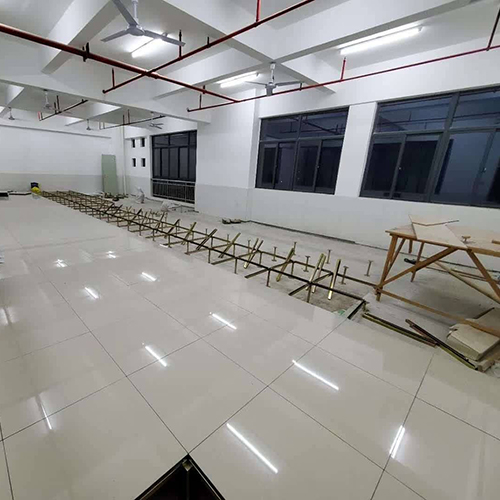
Raised floor is a kind of anti-static floor with a good dissipation type, it is a kind of anti-static floor with a good dissipation type, can effectively dissipate static electricity, is a good anti-static floor. The raised floor mainly uses the special material structure of the raised floor to dissipate the charge on the floor to different degrees, so as to achieve the role of anti-static electricity.
The work of the raised floor is that it can play a good charge dissipation effect when it comes into contact with any low potential point or ground, and the resistance of the raised floor is between 10 ^ 5 and 10 ^ 9 ohms. The type of raised floor is mainly divided by different veneer materials and substrates, and the substrate of the raised floor is mainly calcium sulfate, particle board, composite base, aluminum base, steel base and so on.
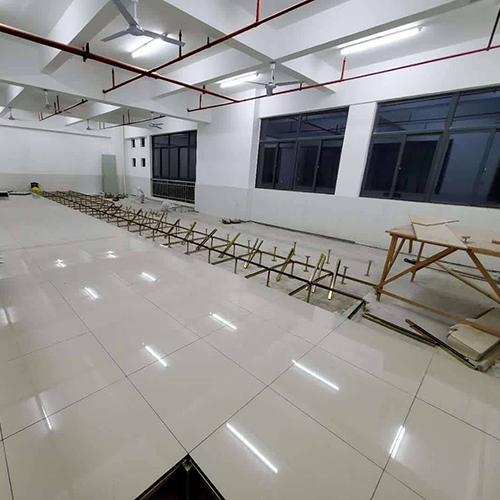
The veneer material of the raised floor is tri-spermine, PVC, anti-static tiles and so on. In addition, there are anti-static network floor, anti-static plastic floor and so on. The splicing of the raised floor is mainly made of panels, beams, supports, etc. The installation technology of the raised floor is stipulated by the national code. The support of the raised floor is very important, and after determining the height of the raised floor, the first floor must be laid. During the laying process, pay attention to tighten the fixing screws between the supports and install the beams. Finally lay the floor.