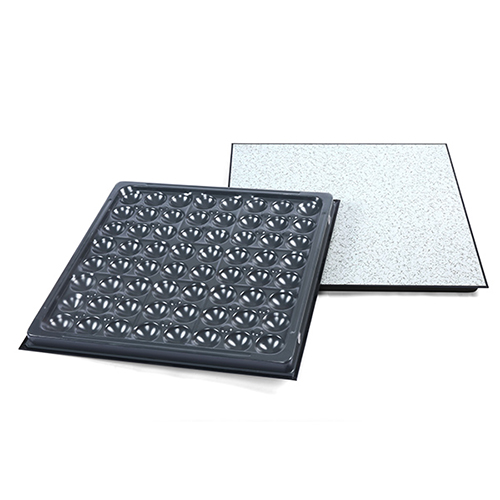
1. Anti-static Performance Test
This is the top priority of acceptance inspection. Professional inspectors use surface resistance testers, earth resistance testers and other instruments to test the resistance of each floor panel or conduct proportional sampling, ensuring values fall within standard ranges. Do not trust contractors who claim "no testing is needed, everything will be fine" — all promises are meaningless without actual measured data.
2. Grounding System Inspection
Remove several floor panels to check whether the underfloor copper foil or grounding copper strips are fully laid and firmly connected. All metal pedestals shall be linked via copper foil or wires and connected to unified grounding terminals. Poor grounding completely invalidates anti-static functions.
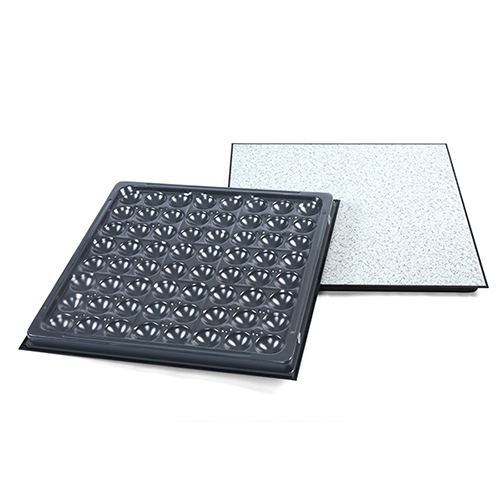
3. Installation Quality Check
Inspect if the floor surface is flat, panel joints are tight, and there is no abnormal noise or wobbling when walking on the floor. Gaps between panels shall be uniform, generally no wider than 1mm. Also check if cut edges are smoothly polished and free of burrs.
4. Document Verification
Request the contractor to provide product certificates, official test reports and concealed construction records generated during installation. These documents serve not only as acceptance evidence but also critical vouchers for future maintenance and warranty claims.
Do not cut corners during acceptance; verify every item one by one. Only after passing full inspection can the floor system be safely put into service.