Method 1: Check test reports. Formal manufacturers must provide product test reports issued by authoritative institutions. Focus on three core indicators: whether the resistance value falls within the standard range of 10⁶ to 10⁹ Ω, and whether concentrated load and uniform load meet the specified standards. If the seller hesitates and fails to present reports, or the report content is vague, you need to stay alert.
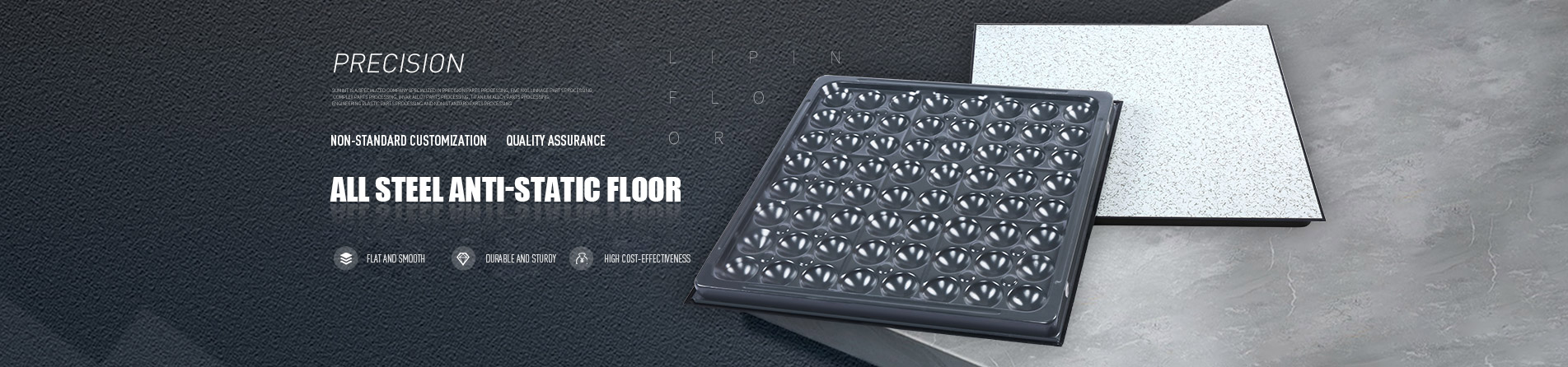
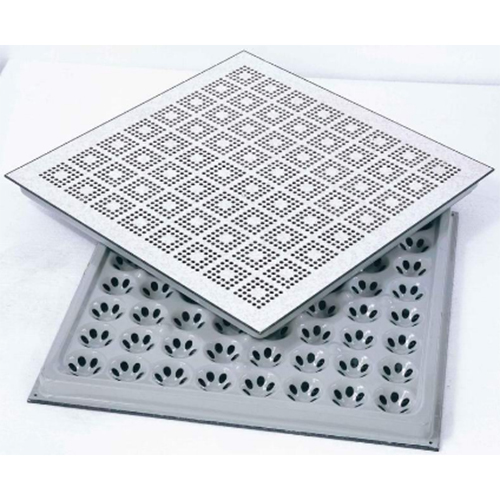
Method 2: Inspect samples in person. Weigh the sample first — overly lightweight panels may have insufficient internal filling. Measure the steel plate thickness; qualified products generally feature steel sheets thicker than 0.5mm. Check if edges are flat and the veneer is firmly bonded. Also smell for pungent odors; strong unpleasant smells indicate a high risk of excessive formaldehyde content.
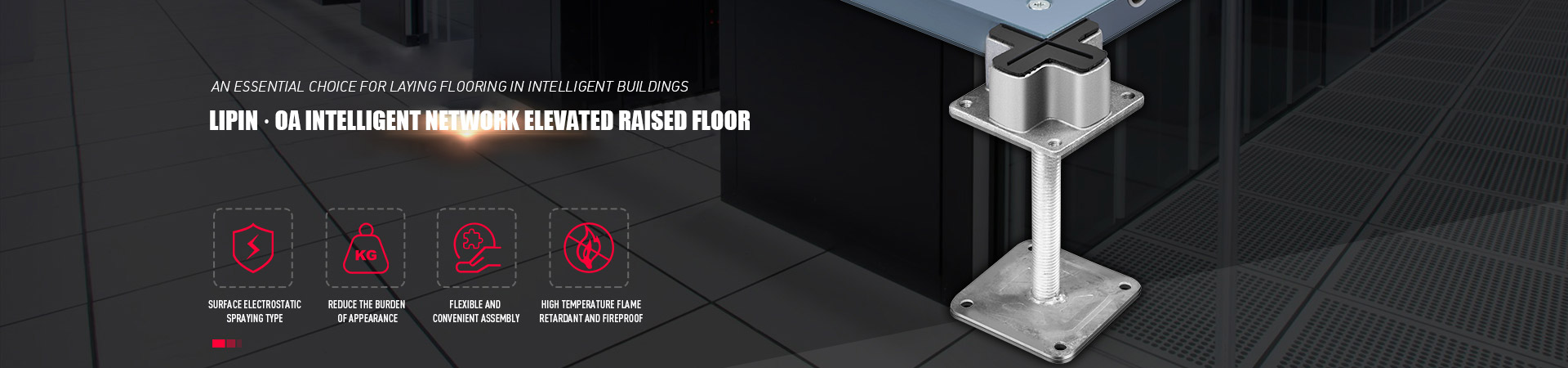
Method 3: Examine stringers and pedestals. Though inconspicuous, these accessories directly determine floor stability and service life. Qualified stringers normally have a pipe wall thickness between 0.8mm and 1.0mm. Inferior accessories will rust and deform quickly, leading to floor collapse. Request physical samples of stringers and pedestals during procurement, instead of only checking floor panels themselves.
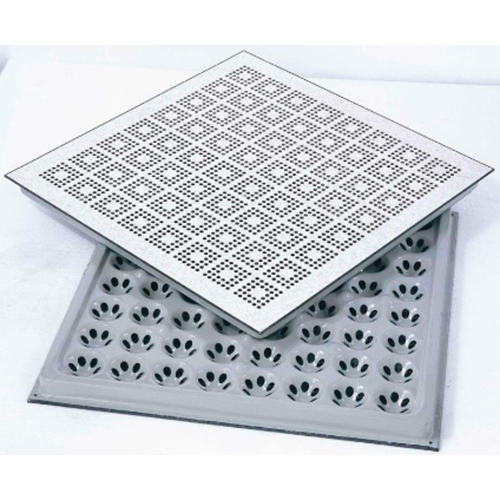
Method 4: Purchase through official channels. Prioritize products manufactured by certified factories, and beware of unlabeled three-no products and unknown resold goods online. Anti-static raised floors are not ordinary building materials; they are directly linked to the safety of equipment worth hundreds of thousands or even millions of dollars. The small price difference you save may cost you many times more in later maintenance and equipment damage compensation.
In short, do not judge products merely by price. Comprehensive evaluation of test reports, physical samples and manufacturer qualifications is essential. Premium floors justify their higher cost, while cheap products always come with hidden drawbacks.