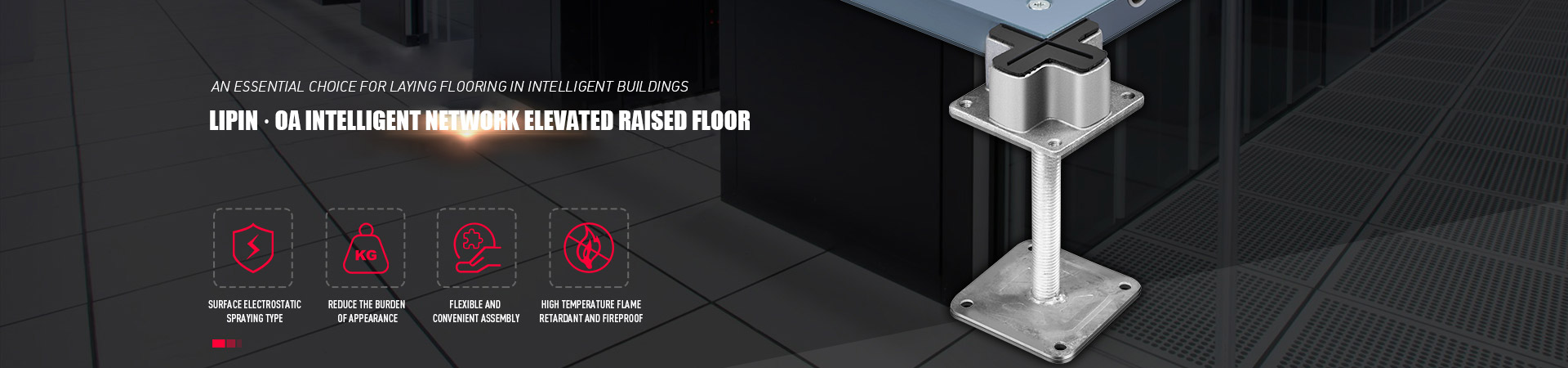
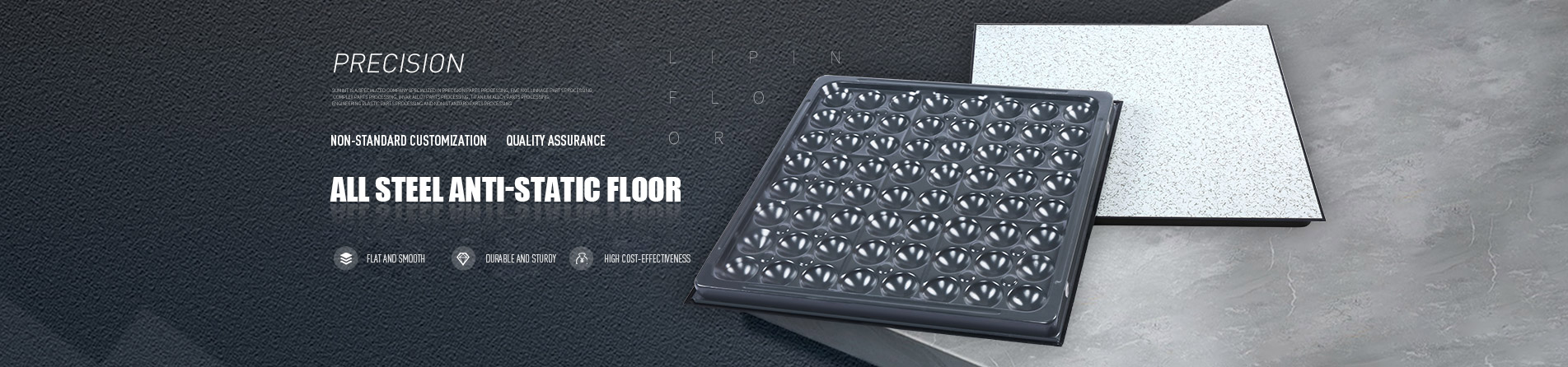
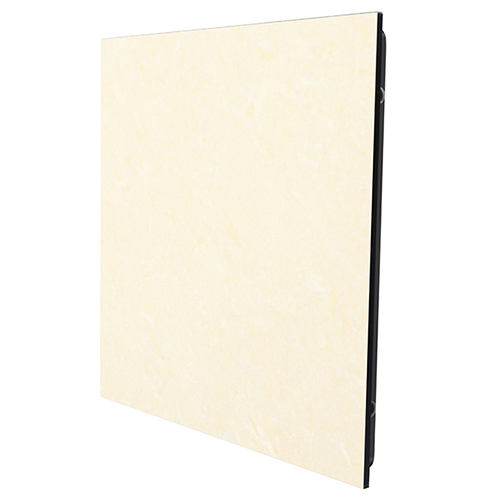
Three major issues tend to occur in humid environments: First, the floor substrate absorbs moisture and expands, resulting in warping, deformation or even cracking. Second, the conductive layer oxidizes due to dampness, weakening or destabilizing anti-static performance. Third, metal pedestals rust and compromise structural stability. In addition, mold may grow under the floor in high-humidity conditions.
How to prevent these problems? Complete moisture-proof treatment on the base before installation. Apply waterproof construction to the base floor by brushing polyurethane waterproof coating or laying waterproof rolls. Extra inspection for floor cracks is required especially for basements and ground floors. Adopt moisture-proof sealed edge trims during installation, and fill the floor joints with mildew-resistant anti-static sealant to form a fully sealed barrier.
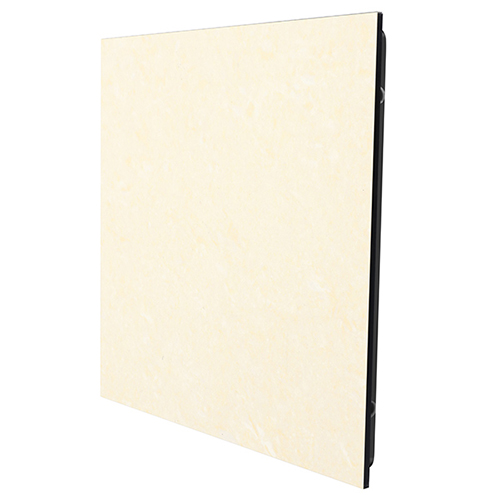
Control ambient humidity during daily operation. The optimal operating humidity range for anti-static raised floors is generally 40% to 60%. Close doors and windows and turn on dehumidifiers during humid seasons, and regularly check for accumulated water or dampness under the floor. Clean with well-wrung damp cloths; never allow large volumes of water to seep into joints.
Material selection also matters. For projects in humid regions, prioritize substrates with superior moisture resistance, such as calcium sulfate baseboards (ultra-low water absorption expansion rate) or all-aluminum panels. Proper advance preparation ensures reliable long-term use even in humid areas.