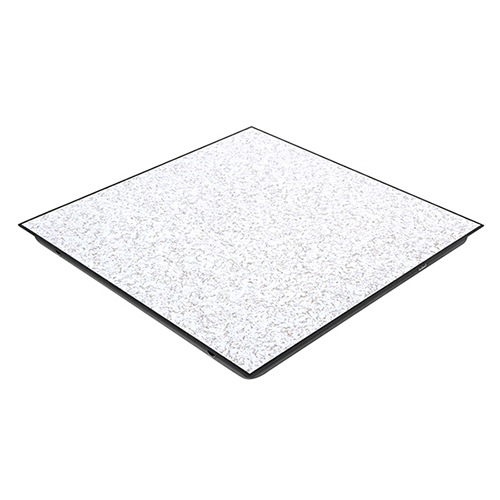
The anti-static principle of anti-static raised floors is to discharge generated static electricity to the ground via conductive paths, instead of letting static charges accumulate on the floor surface or equipment. How is this achieved in practice? During installation, a grid of conductive copper foil or copper strips is laid beneath the floor panels. All metal pedestals are interconnected with copper foil or wires, then gathered at multiple grounding points (no fewer than 2 points, with a maximum spacing of 25 meters between adjacent points), and connected to the building’s grounding system or dedicated grounding posts via grounding wires.
Simply put: Static electricity generated when people walk on the floor → Conducted away through the floor surface → Transmitted via pedestals to the copper foil grid → Released to the earth through grounding wires. The entire conductive path must remain unobstructed for smooth static dissipation.
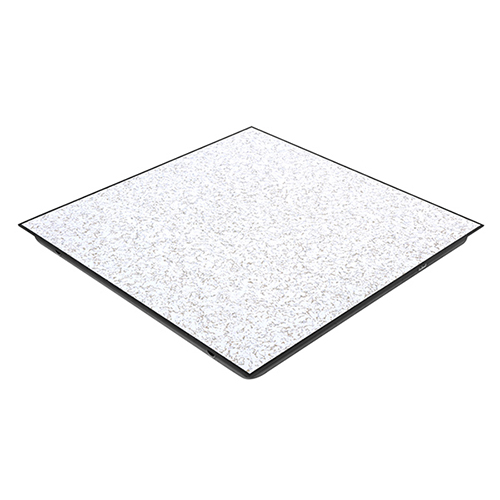
Faults in the grounding system, such as broken copper foil, loose connections or poor contact of grounding wires, leave static charges with no discharge route. Static will build up on the floor, rendering the anti-static floor no different from an ordinary floor. This is why the grounding system is a key inspection item during project acceptance and routine maintenance. Standard construction always installs independent grounding copper strips, rather than relying merely on pedestal bolts to make contact with the ground.
Therefore, when purchasing and conducting acceptance inspections, you must verify whether the grounding system complies with specifications. This is not an optional minor detail, but the lifeline that enables the anti-static floor to function properly.