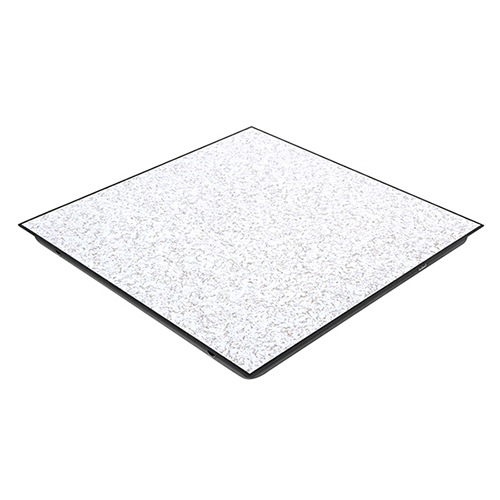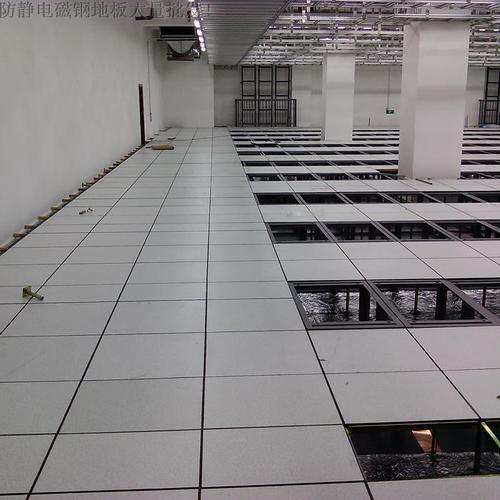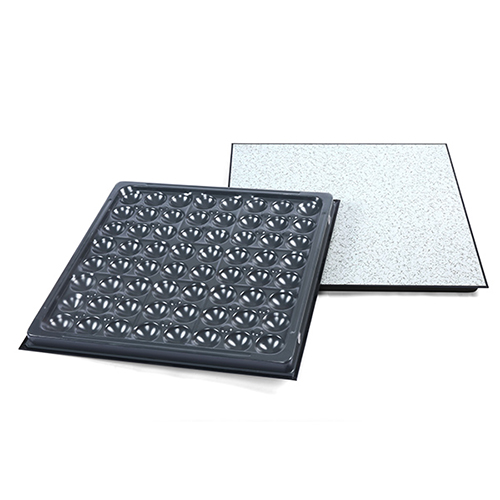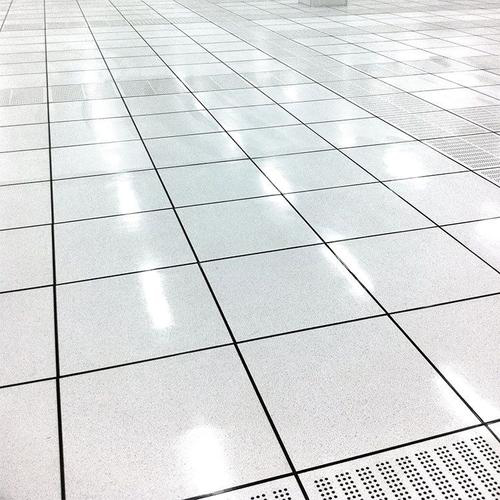
The three most common problems caused by a humid environment are as follows: Firstly, the floor base material absorbs water and expands, resulting in warping, deformation or even cracking; Secondly, the conductive layer gets damp and oxidizes, reducing or destabilizing the anti-static performance; Thirdly, the metal supports rust, affecting the structural stability. Additionally, mold may grow beneath the floor in a high-humidity environment. Waterproof construction should be carried out on the base floor, by applying polyurethane waterproof coating or laying waterproof sheets...
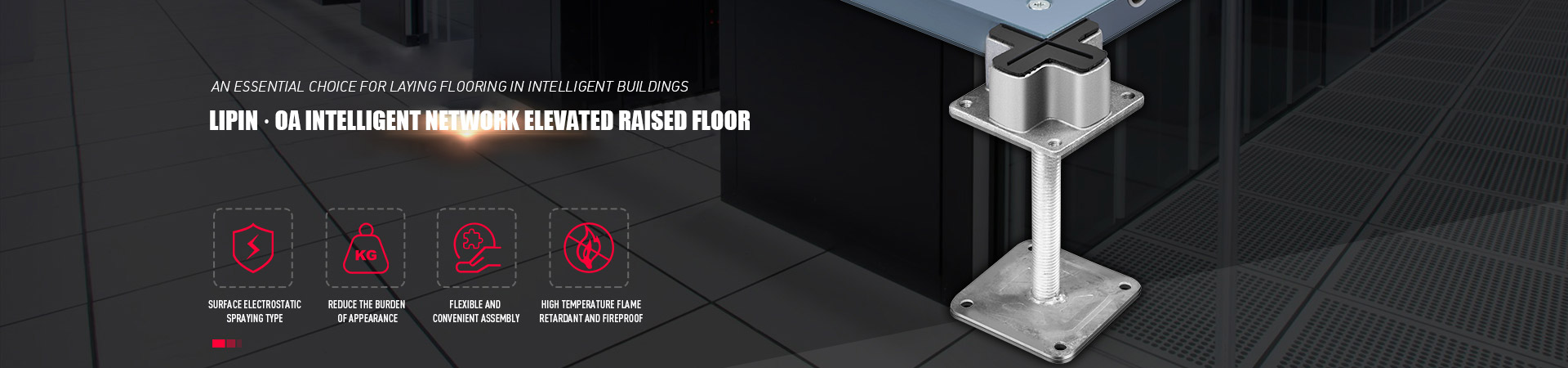
The anti-static principle of anti-static flooring is to guide the generated static electricity through a conductive path into the ground, rather than allowing the static electricity to accumulate on the floor surface or on the equipment. How is this achieved? During installation, a layer of conductive copper foil or copper strips will be laid beneath the flooring. All metal supports will be connected through copper foil or wires, and then collected at several grounding points (usually no less than 2, with the adjacent spacing not exceeding 25 meters)...
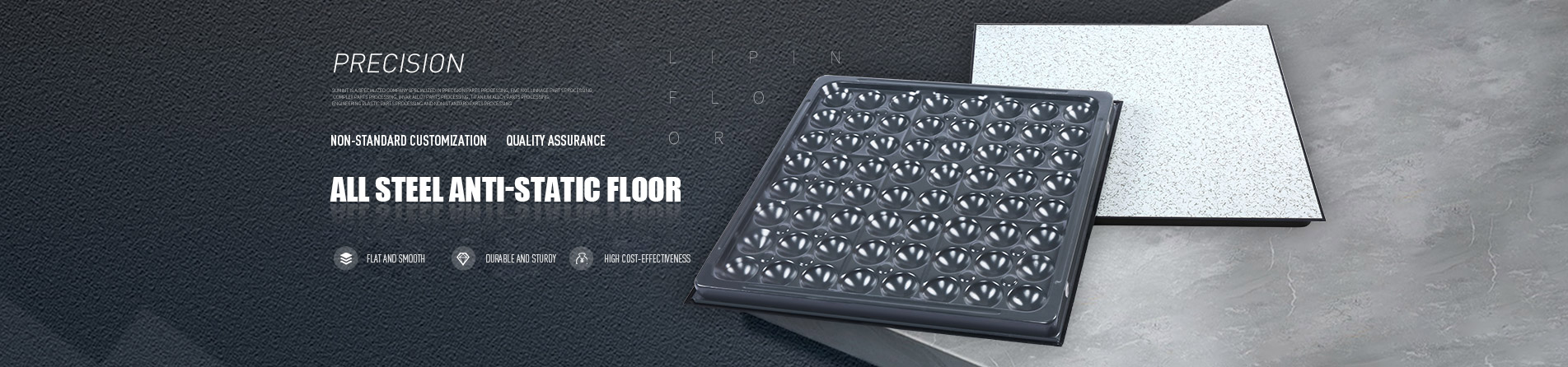
Depending on the situation, but in most cases it can be reused or refurbished. The suspended floor panels are modular in structure, each panel is independent and supported by adjustable brackets and beams, not adhering to the ground. If the old floor base material is in good condition, without severe deformation or cracking, it can be completely removed using suction cups and reinstalled at a new location. The all-steel floor has high strength, resistance to deformation, and rust prevention, making it the most suitable type for repeated disassembly and assembly...
Firstly, there is a difference in the material of the base. The all-steel base is currently the most common type, with the price generally ranging from 100 to 300 yuan per square meter. The calcium sulfate base has better fire resistance and stronger load-bearing capacity, and the price is slightly higher. The aluminum alloy base is lightweight, strong, and corrosion-resistant, with the price usually above 500 to 1000 yuan. Different base materials naturally result in different costs...
The first is the static electricity prevention performance test. This is the most crucial aspect of the acceptance process. During the professional acceptance, equipment such as surface resistance testers and grounding resistance testers are used to test the resistance value of each floor panel, ensuring it is within the standard range. If the construction team says "There's no need to test, it will definitely be fine", you must not believe them - without actual measurement data, all promises are meaningless...
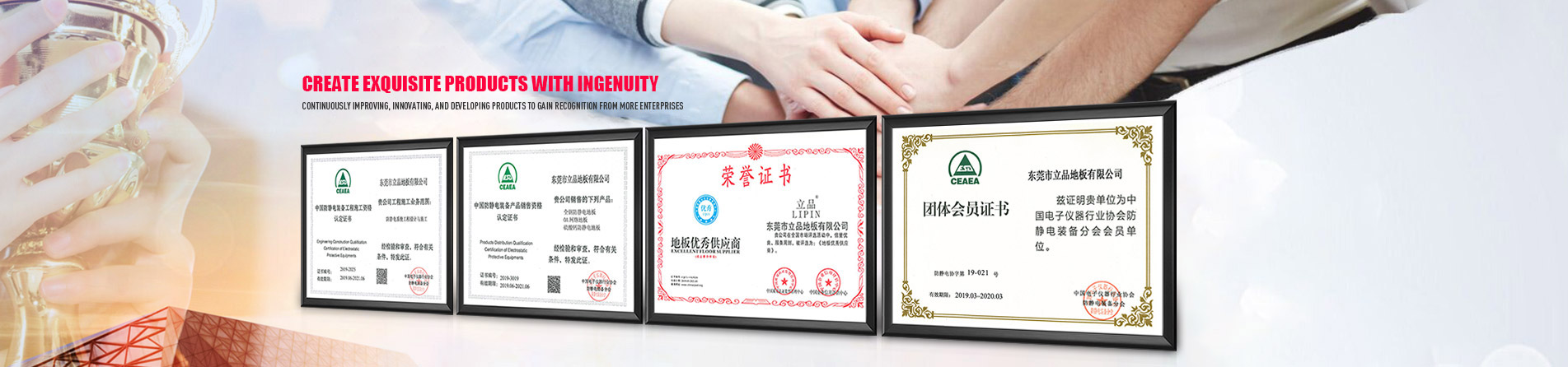
First, does the product itself meet the national standards? Second, has the installation undergone systematic acceptance testing? Currently, the commonly used national standard in China is GB/T 36340-2018 "General Specifications for Anti-static Floor Systems". Products produced by reputable manufacturers should be able to provide test reports that comply with this standard. When you make a purchase, you can ask the supplier to present a test report issued by an authoritative institution, with a focus on core indicators such as surface resistance and load-bearing capacity...